
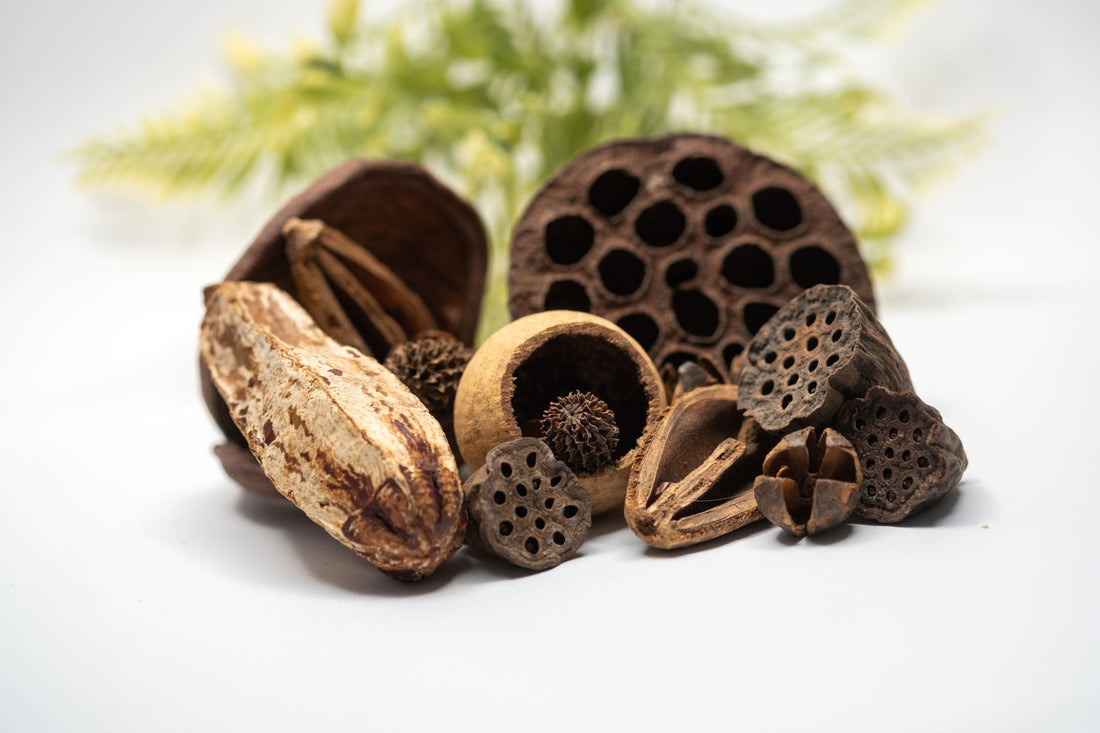
Blackwater aquariums are one of the most stunning and ecologically authentic setups in the freshwater hobby. Inspired by the tannin-rich rivers of the Amazon basin and Southeast Asia, these tanks feature amber-tinted water, soft acidic conditions, and a naturalistic environment that fish absolutely thrive in. Here's how to set one up using natural botanicals.
What Is a Blackwater Aquarium?
Blackwater refers to water that is stained a tea or amber color by tannins — organic compounds released by decomposing leaves, wood, and seed pods. In nature, rivers like the Rio Negro in Brazil are naturally blackwater environments. Fish species from these environments — bettas, dwarf cichlids, cardinal tetras, discus, and many others — thrive in tannin-rich conditions.
A blackwater aquarium mimics this environment, and the benefits are real: reduced stress, enhanced coloration, natural breeding triggers, and potential anti-fungal and anti-bacterial properties from humic acids.
The Core Ingredients
Tannin-releasing botanicals are the heart of a blackwater setup. Our Aquarium Botanical Tannin Pack is specifically curated for this purpose and includes three powerful tannin producers:
- Catappa Indian Almond Leaves — The gold standard for blackwater tanks. Catappa leaves release tannins steadily over weeks and are beloved by bettas, shrimp, and dwarf cichlids.
- Casuarina Cones — Small but mighty tannin producers. Add a handful to any blackwater setup.
- Lotus Seed Pod Heads — A long-lasting structural botanical that slowly releases tannins while providing hides and biofilm surfaces.
Building Your Blackwater Scape
Step 1 — Substrate: Use a fine-grained sand or sand and soil substrate to replicate the silty riverbeds of blackwater environments.
Step 2 — Hardscape: Add driftwood as your primary hardscape. Thin Cholla Wood is a great addition — it's lightweight, develops biofilm quickly, and adds a naturalistic branching structure.
Step 3 — Botanicals: Prepare your botanicals (rinse, boil, soak — see our full preparation guide) and add them in layers. Start with a leaf litter base of catappa leaves, then add pods like Lotus Seed Pod Heads, Bakuli Pods, Bell Cups, Jungle Pods, or Para Para Pods for structure and visual interest.
Step 4 — Go slow: Add botanicals gradually — 2–3 pieces per 10 gallons — and monitor your water parameters over the first week. Your water will darken progressively. This is the goal!
Step 5 — Filtration: Use a quality filter with good flow. A sponge filter or low-flow canister is ideal for blackwater setups.
Best Fish for Blackwater Tanks
- Bettas — thrive in tannin-rich, soft water
- Dwarf cichlids (Apistogramma, rams) — often breed more readily in blackwater conditions
- Freshwater shrimp (neocaridina, caridina) — love the biofilm on botanicals
- Plecos and catfish — benefit from the wood and pod structures
- Axolotls — appreciate the naturalistic environment and large botanical hides
Maintaining Your Blackwater Tank
Replenish botanicals as they break down. Leaves typically last 2–6 weeks; pods can last months. Don't be alarmed by biofilm — it's a sign of a healthy, active ecosystem. Shrimp and snails will keep it in check.
Want to go deeper? Read our guide on How to Build a Blackwater Biotope Aquascape for a full step-by-step aquascaping walkthrough, or browse our complete Aquarium Botanicals collection.