
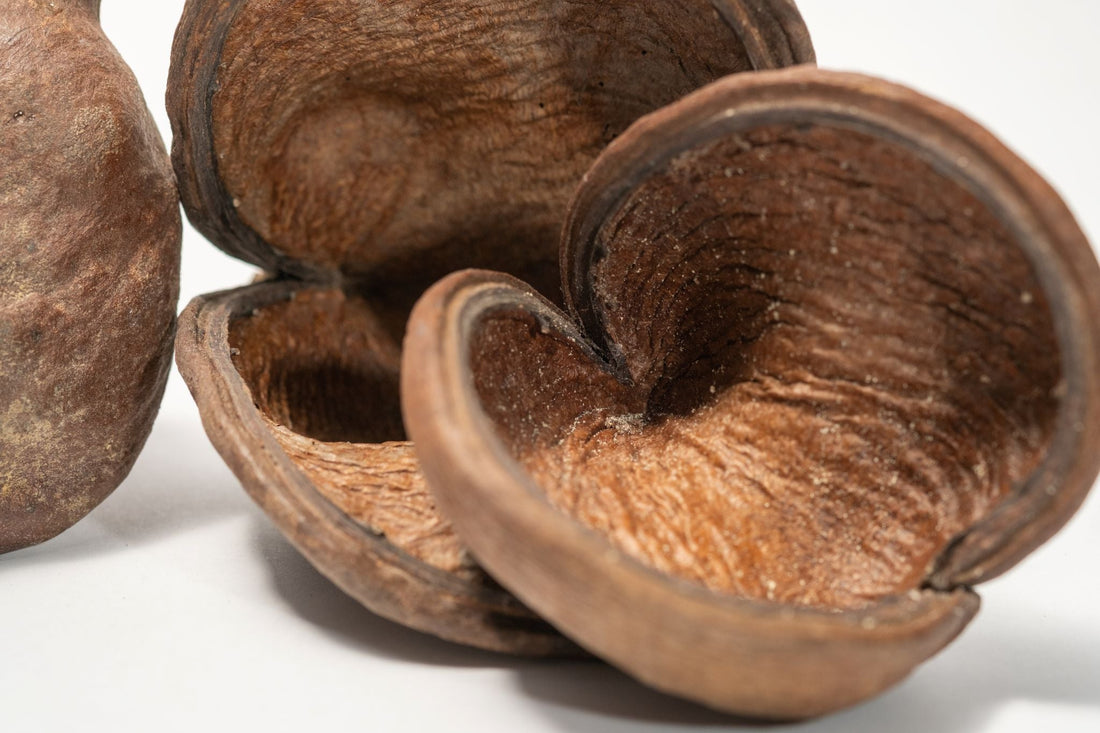
A blackwater biotope aquascape is one of the most rewarding tanks you can build. Inspired by the tannin-stained rivers and flooded forests of the Amazon basin and Southeast Asia, a well-executed blackwater biotope is naturalistic and teeming with life — and botanicals are the key ingredient that makes it all work.
In this guide, we'll walk through everything you need to design and build a blackwater biotope aquascape using the botanical method.
What Is a Blackwater Biotope Aquascape?
A biotope aquascape is a tank designed to replicate a specific natural habitat as closely as possible — the fish, plants, substrate, water chemistry, and decor. A blackwater biotope specifically replicates the soft, acidic, tannin-rich waters.
These waters are naturally stained dark amber or tea-colored by tannins and humic acids leaching from decomposing leaves, wood, and seed pods on the forest floor. The result is water that is extremely soft, acidic (often pH 4–6), and low in dissolved minerals — but rich in organic compounds that support a thriving ecosystem.
Choosing Your Biotope Region
Before you start, decide which blackwater region you want to replicate. This will guide your fish, plant, and botanical choices:
- Amazon Basin (Brazil/Peru) — home to cardinal tetras, wild bettas, Apistogramma, discus, and altum angelfish. Botanicals: catappa leaves, uxi pods, para para pods, jungle pods, alder cones.
- Southeast Asia (Borneo, Thailand, Indonesia) — home to wild bettas (Betta splendens, B. mahachaiensis, B. imbellis), rasboras, and chocolate gouramis. Botanicals: catappa leaves, casuarina cones, peat, driftwood.
- West Africa — home to killifish, West African dwarf cichlids, and Congo tetras. Botanicals: sora pods, catappa leaves, dried leaves.
Essential Equipment
- Tank — any size works; 20–40 gallons is ideal for a first biotope build
- Filter — a sponge filter or low-flow canister filter; blackwater fish prefer gentle flow
- Heater — set to 76–82°F depending on your species
- Lighting — low to medium intensity; tannins reduce light penetration, so choose plants accordingly
- RO or soft water — for a true blackwater biotope, start with reverse osmosis or very soft tap water
Substrate & Hardscape
The substrate and hardscape set the foundation of your aquascape:
- Substrate — fine dark sand (black or natural brown) best replicates the silty riverbeds of blackwater environments. Avoid gravel, which looks unnatural.
- Driftwood — use pieces with interesting shapes — branchy spiderwood, twisted manzanita, or smooth Malaysian driftwood. Arrange to create overhangs, caves, and visual depth.
- Cholla wood — adds texture and develops biofilm rapidly; excellent for shrimp and small fish.
- Large seed pods — lotus pods, jungle pods, para para pods, and bolsa pastor urchin pods form the structural botanical layer, creating caves and focal points.
Building the Botanical Layer
This is where the magic happens. The botanical layer is what transforms a standard planted tank into a living, breathing blackwater biotope:
1. Leaf Litter Base
Start with a generous layer of catappa Indian almond leaves on the substrate. These are the single most impactful botanical for blackwater tanks — they release tannins quickly, develop rich biofilm, and break down into nutritious leaf litter that fish and invertebrates forage through. Add a few coconut palm frond paddles for variety and durability.
2. Structural Pods
Place your larger seed pods — lotus pods, talami pods, jungle pods, para para pods — among the driftwood to create caves, hides, and visual anchors. These break down slowly and provide long-lasting structure to the aquascape.
3. Scatter Smaller Botanicals
Fill in with smaller botanicals: casuarina cones, alder cones, dysoxylum lali pods, bakuli pods, mini arjuna pods, and cane fruit rattan pods. These develop biofilm quickly and add fine texture throughout the tank.
4. Mid-Water Interest
Add bell cups, triangle pods, or coco flowers for mid-water visual interest. These add movement and texture at different levels of the aquascape.
Water Chemistry for Blackwater
Authentic blackwater chemistry requires soft, acidic water:
- pH: 5.5–7.0 depending on species (wild bettas and cardinal tetras prefer 5.5–6.5)
- Hardness: 0–6 dGH (very soft)
- TDS: 50–150 ppm
- Temperature: 76–82°F
Botanicals will naturally lower pH and soften water over time. For a more dramatic effect, add a mesh bag of peat moss to your filter. Test water parameters weekly, especially as botanicals break down.
Cycling and Adding Fish
Cycle your tank fully before adding fish — the botanical method doesn't change the nitrogen cycle. Once cycled:
- Add a small group of fish first (small tetras or rasboras) to confirm stability
- Wait 2–3 weeks, then add your centerpiece fish
- Add shrimp last, once the tank is fully established
Maintenance Tips
- Replace leaves every 2–4 weeks as they break down — this is normal and desirable
- Top up botanicals gradually rather than replacing everything at once, to avoid sudden water chemistry swings
- Do 20–30% water changes weekly with soft, conditioned water
- Don't over-clean — the biofilm and breakdown are the ecosystem; leave it alone
- Enjoy the evolution — a botanical method tank looks different every week as botanicals break down and new ones are added
Recommended Botanicals for a Blackwater Biotope
Ready to start building? Here are our top picks for a blackwater biotope aquascape:
- Catappa Indian Almond Leaves — the essential blackwater botanical
- Casuarina Cones — fast biofilm, gentle tannins
- Lotus Seed Pod Heads — structural hides and biofilm magnets
- Alder Cones — high tannin content, shrimp breeding stimulant
- Thin Cholla Wood — rapid biofilm producer
- Browse all aquarium botanicals
All NaturePods botanicals are 100% natural, organically sourced, and free from pesticides and chemical treatments.